Marijuana is the most commonly abused illicit drug in the United States. It is a dry, shredded green and brown mix of flowers, stems, seeds, and leaves derived from the hemp plant Cannabis sativa. The main active chemical in marijuana is delta-9-tetrahydrocannabinol, or THC for short.

Marijuana Abuse Treatment and Care
How is Marijuana Abused?
Marijuana is usually smoked as a cigarette (joint) or in a pipe. It is also smoked in blunts, which are cigars that have been emptied of tobacco and refilled with a mixture of marijuana and tobacco. This mode of delivery combines marijuana’s active ingredients with nicotine and other harmful chemicals. Marijuana can also be mixed in food or brewed as a tea. As a more concentrated, resinous form, it is called hashish; and as a sticky black liquid, hash oil. Marijuana smoke has a pungent and distinctive, usually sweet-and-sour odor.
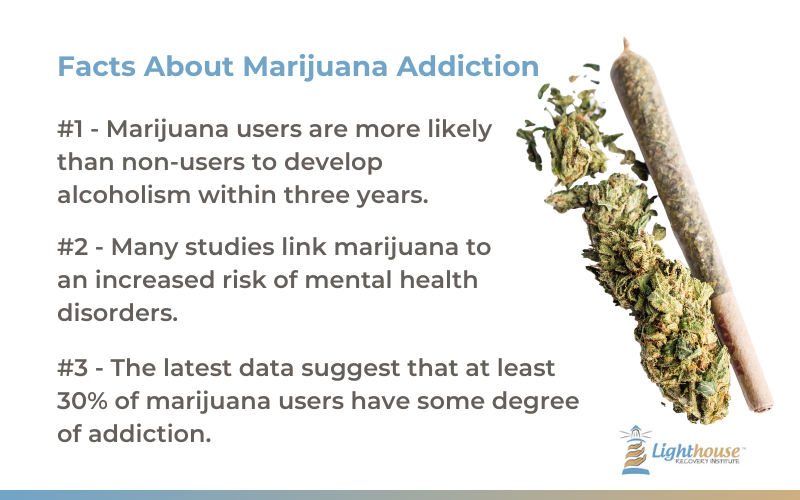
Long-term marijuana abusers trying to quit report withdrawal symptoms including: irritability, sleeplessness, decreased appetite, anxiety, and drug craving, all of which can make it difficult to remain abstinent. These symptoms begin within about 1 day following abstinence, peak at 2-3 days, and subside within 1 or 2 weeks following drug cessation.3 Marijuana and Mental Health A number of studies have shown an association between chronic marijuana use and increased rates of anxiety, depression, and schizophrenia. Some of these studies have shown age at first use to be an important risk factor, where early use is a marker of increased vulnerability to later problems. However, at this time, it is not clear whether marijuana use causes mental problems, exacerbates them, or reflects an attempt to self-medicate symptoms already in existence.
How Does Marijuana Affect the Brain?
Scientists have learned a great deal about how THC acts in the brain to produce its many effects. When someone smokes marijuana, THC rapidly passes from the lungs into the bloodstream, which carries the chemical to the brain and other organs throughout the body.
THC acts upon specific sites in the brain, called cannabinoid receptors, kicking off a series of cellular reactions that ultimately lead to the “high” that users experience when they smoke marijuana. Some brain areas have many cannabinoid receptors; others have few or none. The highest density of cannabinoid receptors are found in parts of the brain that influence pleasure, memory, thinking, concentrating, sensory and time perception, and coordinated movement.1 Not surprisingly, marijuana intoxication can cause distorted perceptions, impaired coordination, difficulty with thinking and problem solving, and problems with learning and memory. Research has shown that, in chronic users, marijuana’s adverse impact on learning and memory can last for days or weeks after the acute effects of the drug wear off.2 As a result, someone who smokes marijuana every day may be functioning at a suboptimal intellectual level all of the time.
Research into the effects of long-term cannabis use on the structure of the brain has yielded inconsistent results. It may be that the effects are too subtle for reliable detection by current techniques. A similar challenge arises in studies of the effects of chronic marijuana use on brain function. Brain imaging studies in chronic users tend to show some consistent alterations, but their connection to impaired cognitive functioning is far from clear. This uncertainty may stem from confounding factors such as other drug use, residual drug effects, or withdrawal symptoms in long-term chronic users.
Long-term marijuana abuse can lead to addiction; that is, compulsive drug seeking and abuse despite the known harmful effects upon functioning in the context of family, school, work, and recreational activities. Estimates from research suggest that about 9 percent of users become addicted to marijuana; this number increases among those who start young (to about 17 percent) and among daily users (25-50 percent).

